Gerald F. Cox, MD, PhD
Owner | Gerald Cox Rare Care Consulting, LLC
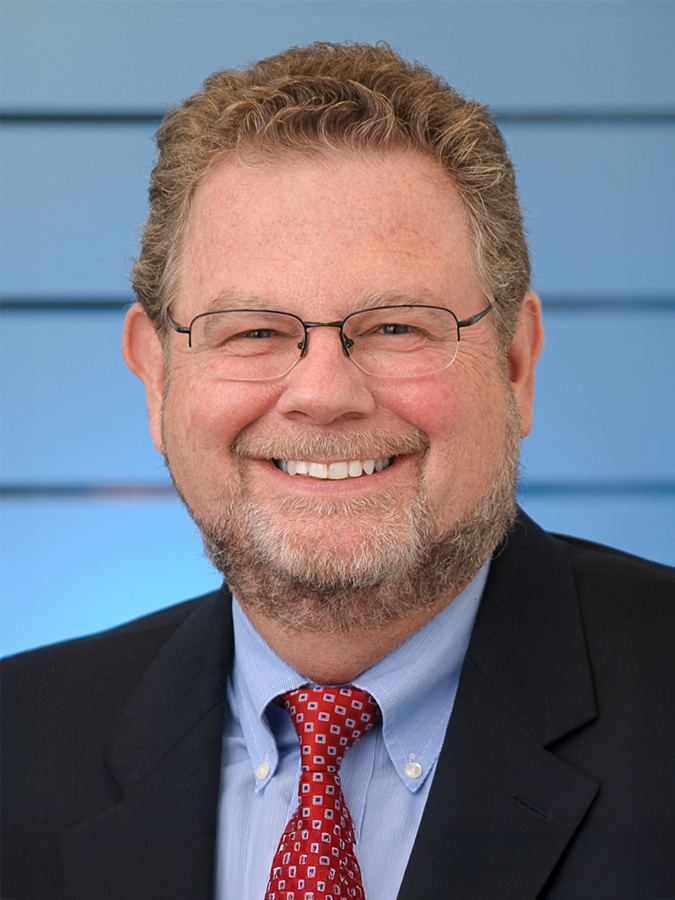
Dedicated to improving the lives of those in need, Gerald F. Cox, MD, PhD, has excelled in health care across more than four decades, serving as a staff physician in genetics at Boston Children’s Hospital since 1994 and a clinical development consultant out of his own firm, Gerald Cox Rare Care Consulting LLC, since 2018. In the latter role, backed by more than 18 years of experience in the biotech industry and medical innovations, he provides consulting services to companies developing treatments for rare genetic diseases.
Upon earning a joint Doctor of Medicine and PhD in cell biology from the University of California, San Diego in 1989, Dr. Cox completed an internship and residency in pediatrics before joining Boston Children’s Hospital as a research fellow in genetics. In the midst of his responsibilities as a staff physician there, he also served for two years as the director of the Genomic Mapping Core Facility.
From 2000 to 2016, Dr. Cox served as vice president of clinical development and rare diseases at Sanofi Genzyme, where he led the approval of Aldurazyme, a treatment for the rare genetic disease Mucopolysaccharidosis Type 1. Despite initial skepticism within the company and reservations from the FDA, he presented a compelling case for the drug’s approval during an advisory committee meeting, which involved external experts evaluating the clinical trial results, the unmet medical need, and the risk-benefit assessment. This culminated in a unanimous vote to approve the drug based on its safety and efficacy. He would later receive a Breakthrough Status Designation honor and two Innovative Therapy Awards by the Lysosomal Disease Network and the National Organization for Rare Diseases in 2015.
Dr. Cox was subsequently active as the chief medical officer at Editas Medicine from 2016 to 2018, where he focused on rare genetic diseases and cancer. However, driven by his passion for rare diseases, he pursued opportunities beyond the company. A dedicated member of the scientific and medical advisory board of the National Organization of Rare Diseases, he now collaborates with a diverse range of companies, leveraging cutting-edge technologies to advance the development of treatments. Looking toward the future, he envisions a world in which access to treatments for rare genetic diseases is not determined by geographical location, insurance coverage, or level of knowledge.
Also taking great pride in guiding young individuals throughout his career, Dr. Cox himself was significantly influenced by his uncle, George Robert Keepin, who had a distinguished career as a nuclear physicist at Los Alamos. Coming from a modest background, his uncle’s achievements and commitment to education served as an inspiration, illustrating that hard work and academic success can lead to personal achievement. Prior to earning his MD and PhD, Dr. Cox prepared for his professional journey by earning a bachelor’s degree in biology from Harvard University, graduating magna cum laude in 1980.